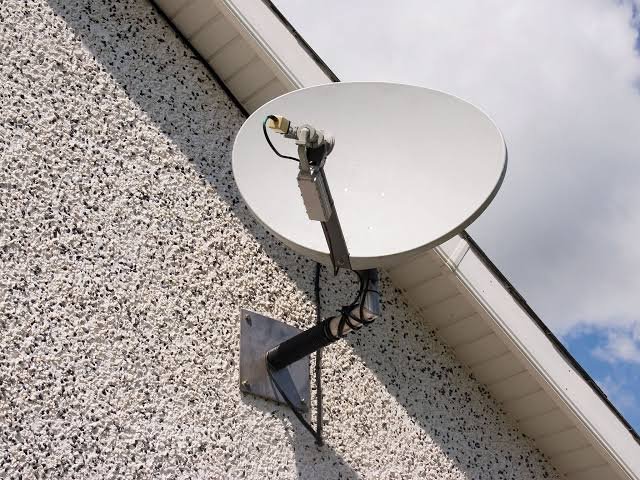
Homes and businesses in remote locations often have limited access to fibre, cable, and other fixed internet services. Long distances, difficult terrain, and low population density can make conventional network expansion slow or expensive.
Satellite internet provides an alternative by transmitting data between a user terminal and satellites operating above Earth. Modern systems can support communication, online work, education, entertainment, and essential business operations in areas with limited terrestrial infrastructure.
How Satellite Internet Delivers a Connection

A satellite internet system normally includes an outdoor antenna or user terminal, mounting equipment, a router, cables, and a power supply. The terminal communicates with satellites, which connect the user to the wider internet through supporting ground and network infrastructure.
Traditional satellite services often rely on satellites positioned at high altitudes. Newer low-Earth-orbit networks use groups of satellites operating much closer to Earth, which can reduce signal travel time and provide a more responsive connection.
Households and companies comparing services can learn more about which Starlink internet Philippines provider can offer support for their commercial business or home residence. Before ordering, users should confirm service availability, equipment requirements, pricing, and installation options for their exact location.
The terminal usually requires a broad, unobstructed view of the sky. Trees, buildings, mountains, and other objects can interrupt communication as satellites move overhead, potentially causing brief service disruptions.
Supporting Remote Homes and Communities
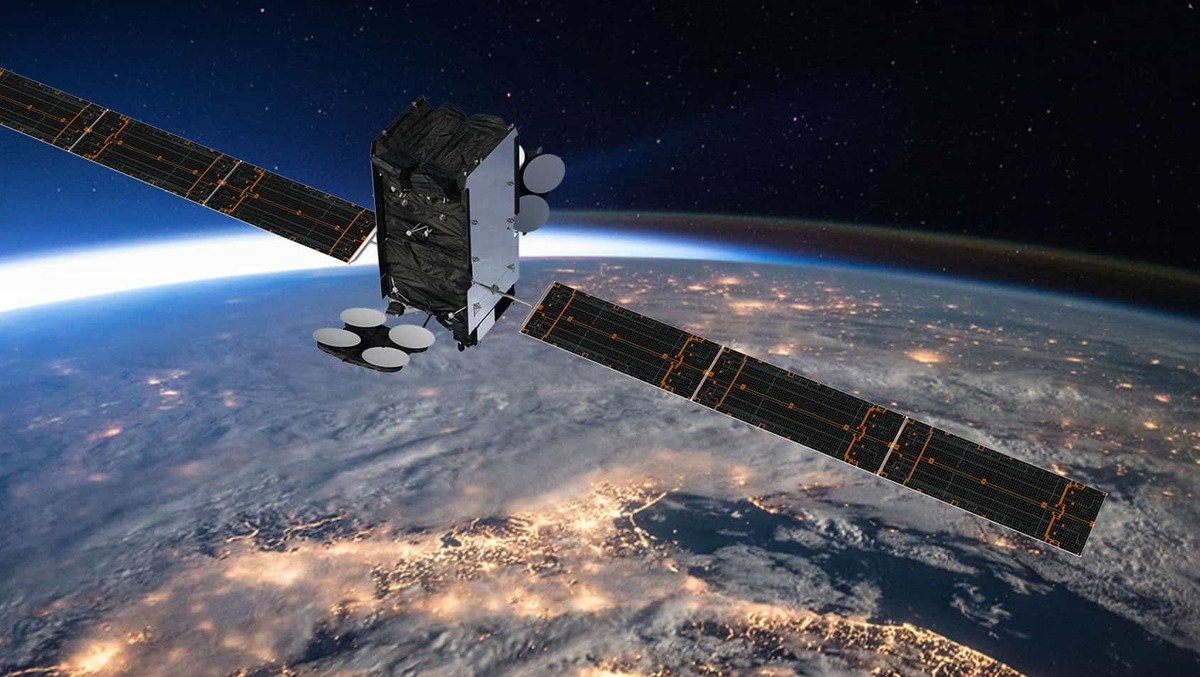
For households, satellite internet can enable video calls, remote work, online learning, digital banking, streaming, and communication with family members. It can be particularly valuable in rural communities where mobile coverage is weak and fixed-line services are unavailable.
Connection performance depends on the selected plan, local conditions, network demand, equipment placement, and weather. Families should consider the number of users and connected devices, especially when several people need to stream, study, or work at the same time.
Reliable power is also necessary because the terminal and router must remain operating. Homes in areas affected by outages may benefit from a suitable backup power system, particularly when internet access is needed for work or important communications.
Installation should account for strong winds, heavy rain, salt exposure, and other local conditions. Secure mounting and protected cable routes can reduce the risk of equipment damage and connection problems.
Helping Businesses Operate Beyond Urban Areas
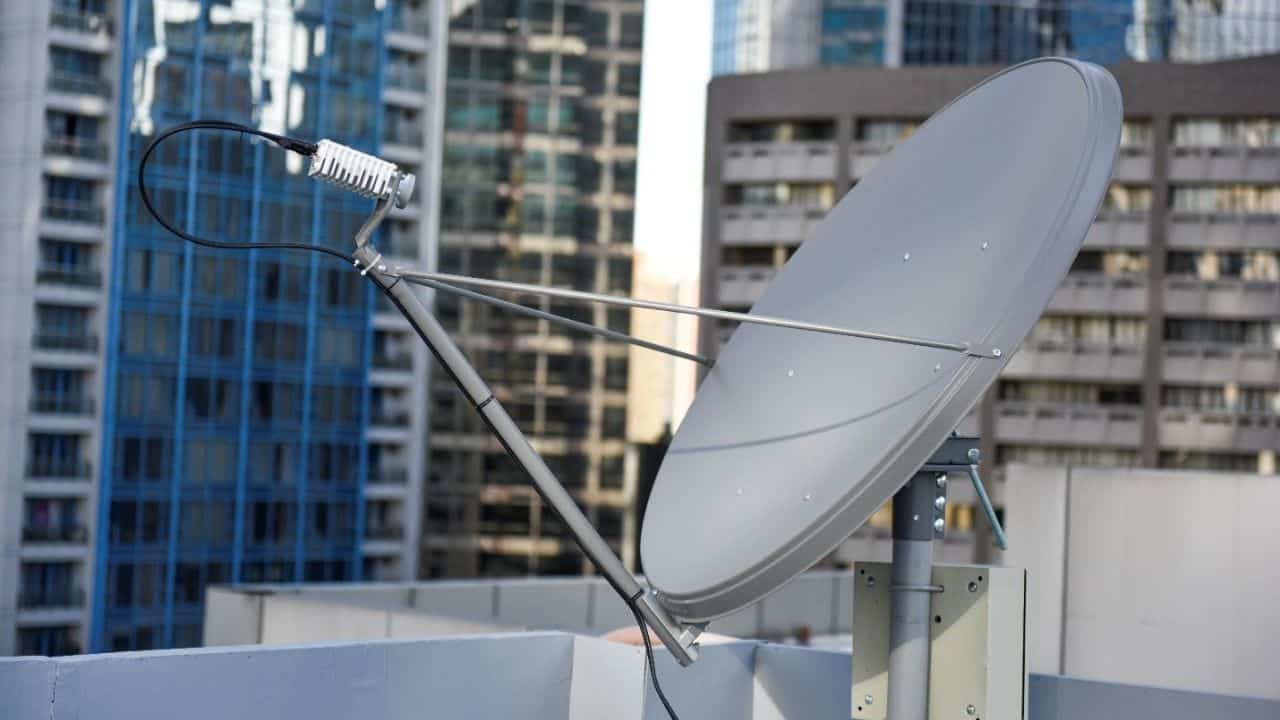
Satellite connectivity can support farms, resorts, construction sites, mining operations, warehouses, and regional offices. Businesses can use it for cloud platforms, payment systems, inventory management, security monitoring, customer communication, and coordination between remote teams.
Organisations should assess more than advertised download speed. Upload performance, latency, data policies, technical support, equipment replacement, network security, and service reliability can all affect daily operations.
A backup connection may still be appropriate for critical systems. Combining satellite internet with mobile or another available service can provide continuity if one connection experiences an interruption.
Businesses should also secure their internal networks with strong passwords, current router firmware, appropriate access controls, and separate networks for staff, customers, and operational devices. Satellite access provides the connection, but it does not replace normal cybersecurity practices.
Conclusion
Satellite internet extends connectivity to homes and businesses that may be difficult to reach with conventional networks. It can support everyday communication, education, remote work, commercial systems, and operations across isolated locations.
The best results depend on choosing an appropriate plan, installing the equipment with a clear view of the sky, and preparing for local power and weather conditions. Careful planning can make satellite internet a practical connection for remote users.