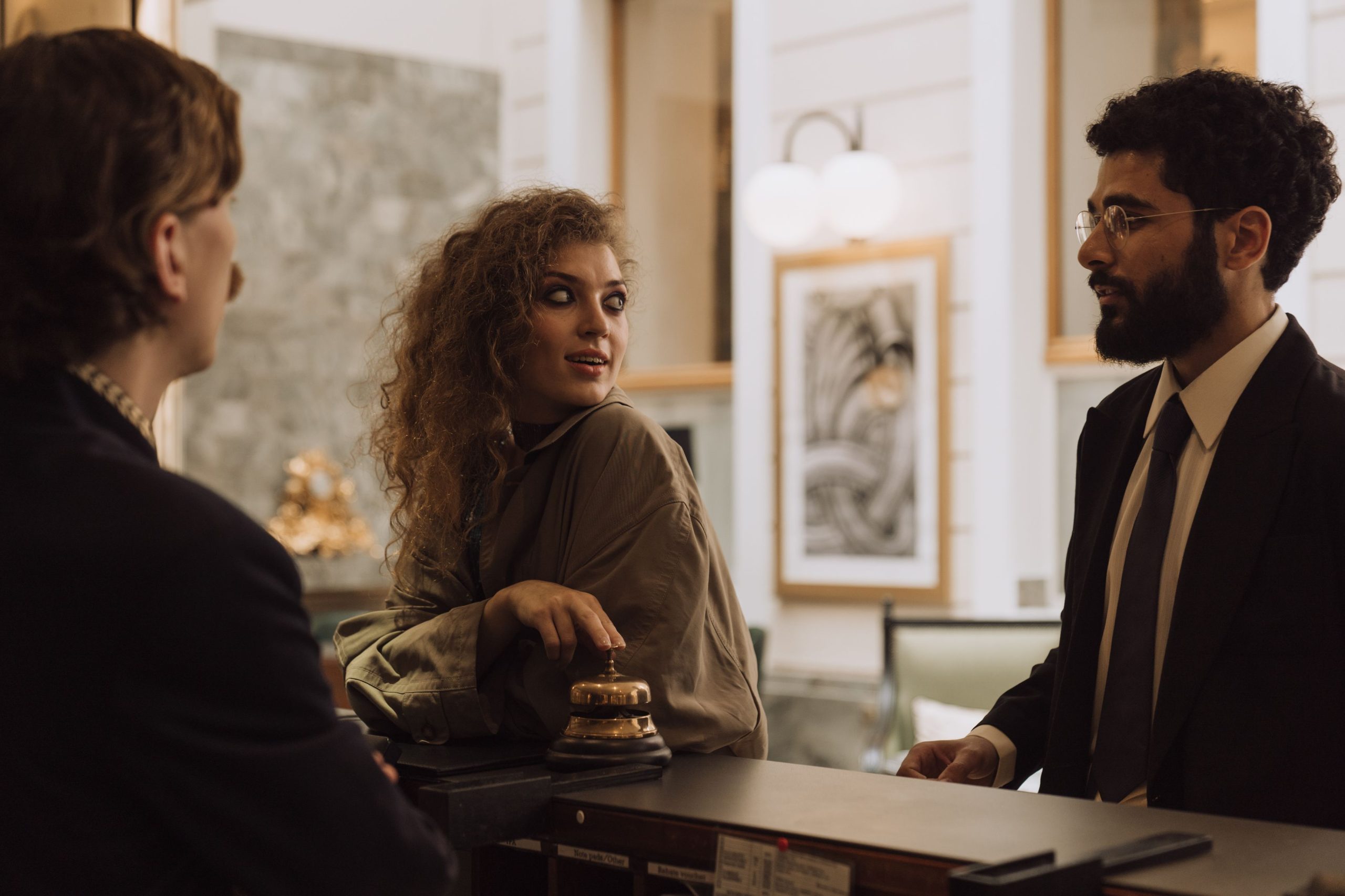
Reading a room looks like a superpower. Watch a great maître d’ or sommelier for an evening and the effect seems almost psychic: the wine arrives a beat before anyone asks, the bill never lands mid-story, the anniversary table gets warmth while the business table gets speed. None of it is magic. It is trained observation, noticing what people broadcast before a single word is spoken, and it may be the most transferable skill the service industry has to teach the rest of us. The good news: it is a discipline, not a personality trait.
Decisions happen in the first ten seconds
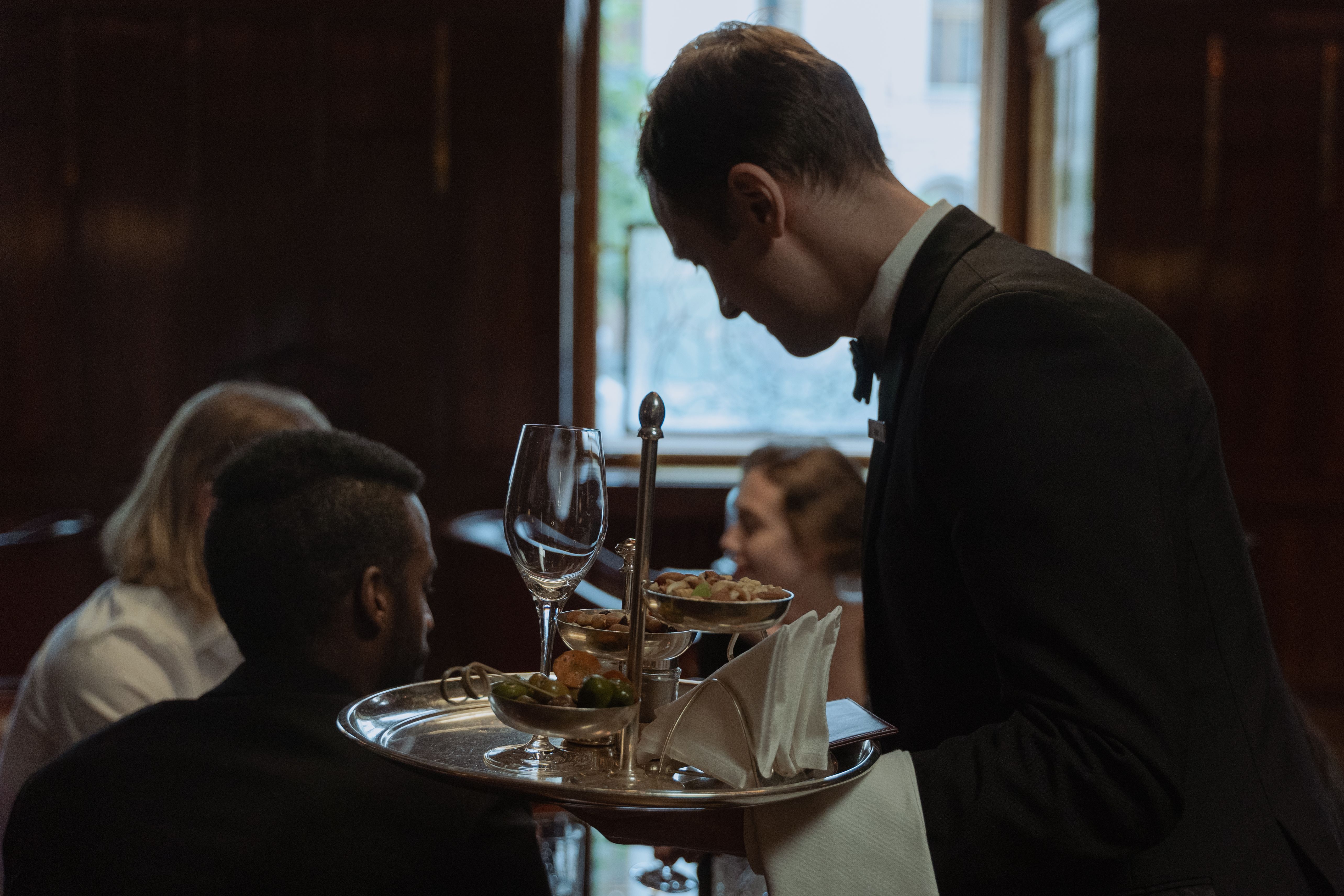
Skilled servers start reading before they greet you. Watch how a party enters: a table that drifts in slowly, scanning the room, has come for the experience and is open to suggestion, while a group that walks with purpose and sits down fast wants efficiency. In those first moments, staff also locate the table’s quiet centre of gravity, the person others glance at when a question lands. The loudest voice is rarely the decision-maker. Serve the one who actually decides and the whole table relaxes.
Run the same scan when you walk into a meeting. Before you pitch, notice who your colleagues look toward when someone asks for a view. That person is your real audience, and charm should start there.
Reading is respect, not control
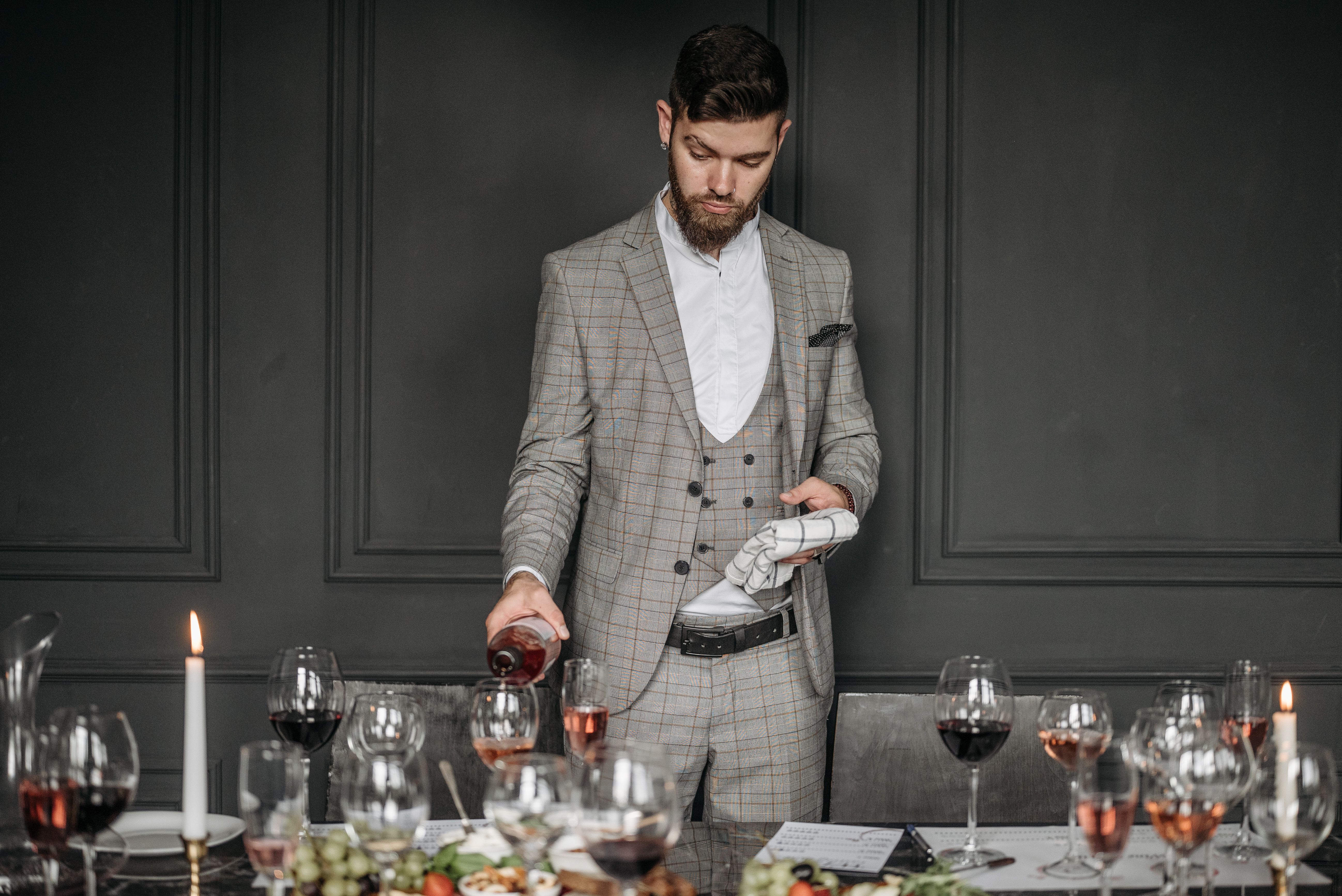
Sommeliers are the most studied readers in hospitality, and their craft is captured beautifully in a recent feature on the invisible art of wine service. Master sommeliers describe watching for a curious glance at the wine list, the guest who quietly defers, the couple whose eyes drift toward the prices, then adapting in real time. “You cannot make assumptions about anyone,” says Pietro Campara, head sommelier at Antica Bottega del Vino in Cortina. The observation exists to serve the person in front of you, never to steer them. That is the line between reading a room and manipulating one.
Japan gave it a name
Japanese service culture is built on kuuki wo yomu, literally “reading the air,” sensing the unspoken temperature of a situation, and omotenashi, hospitality that anticipates a need before it is voiced. A host trained this way does not wait to be asked; the water glass is refilled before it empties. The luxury is the absence of friction.
The transferable lesson is timing. Watch for the readiness window: the moment a conversation slows, bodies shift back, someone glances up. That is when a suggestion lands as genuinely helpful. Any earlier, it reads as interruption.

Bringing it to your own room
The Trotter Project’s field guide for hospitality professionals puts the aim perfectly: great service means making people feel seen without making a show of it. In practice, that means a few concrete habits:
- Read the arrival. Pace and posture tell you whether this room wants ceremony or speed.
- Find the quiet decision-maker, not the loudest voice.
- Calibrate your presence. Hovering feels like surveillance; vanishing feels like neglect. Good readers know which one this room needs.
- Always leave an easy out. “No pressure” only counts if the other person can genuinely say no.
The purest version of the skill
In some services there is no menu and no wine list to mediate the exchange, so reading the other person is the entire product. Elite companion services understand this better than almost anyone. An agency like Louisa is built on companions who can sense within minutes whether a client wants conversation, silence, company for an evening out, or simply space, and who calibrate their presence accordingly. Remove the reading and nothing of value remains. That is how central this skill really is.

None of this requires charisma or intuition. It requires looking. The next time you enter a room, try the ten-second scan before you speak, and watch how much more often you become the person who seems to know what everyone needs.