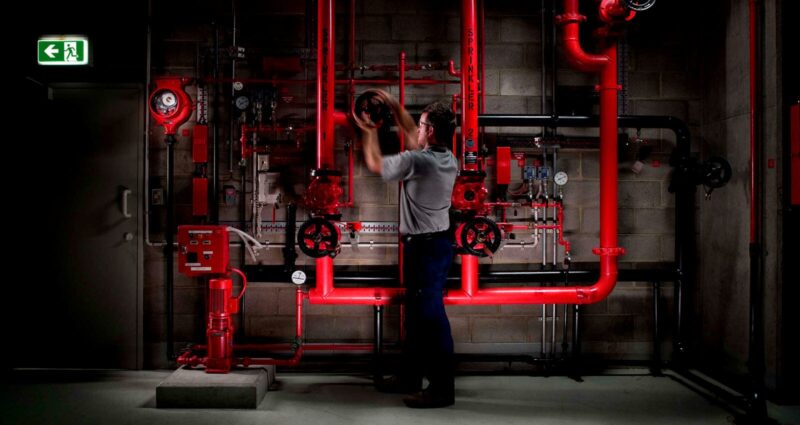
Innovative buildings often push beyond standard layouts, materials, and usage patterns, which can make prescriptive fire code pathways difficult to apply. Performance based fire engineering supports innovation by using evidence, modelling, and structured risk thinking to demonstrate that life safety objectives are still achieved. This allows project teams to protect design intent while delivering compliant outcomes that are practical to build and operate.
Enabling design freedom while maintaining safety outcomes

In the first paragraph after this heading, a fire engineer that delivers can translate bold architectural ideas into clear fire safety strategies that approval authorities can understand and accept.
Performance based methods help resolve constraints that often limit innovative projects, such as open atriums, interconnected levels, complex egress routes, and unusual building geometries. Instead of defaulting to conservative prescriptive rules, engineers define credible fire scenarios and measurable acceptance criteria, then assess tenability, egress time, and smoke behaviour to show that occupants can evacuate safely. This approach supports smarter trade offs, for example enhanced detection and suppression paired with optimised compartmentation, or tailored smoke control in large volumes where standard solutions are impractical.
Using modelling and analysis to justify performance solutions

Performance based fire engineering relies on transparent assumptions and traceable analysis. Tools such as smoke modelling, evacuation simulation, and system performance evaluation help quantify how a building behaves during fire scenarios. The results inform design decisions like travel distance concessions, smoke exhaust sizing, stair pressurisation, refuge strategies, and alarm and detection placement.
What matters most is not the tool, but how it is used. Scenario selection must reflect realistic fuel loads and occupancy, modelling inputs must be defensible, and results must be interpreted conservatively.
A strong engineer will also coordinate with mechanical, electrical, and architectural teams so the fire strategy is embedded in the design rather than added late. This reduces redesign risk and supports smoother certification.
Approvals, constructability, and long-term building operation
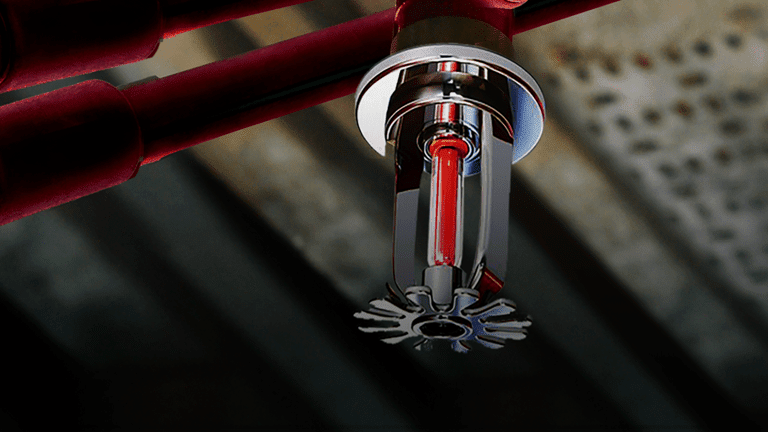
Innovative projects often face higher scrutiny, so approvals strategy is critical. Early engagement with certifiers and authorities helps confirm expectations for documentation, peer review, and commissioning tests. A clear performance based report should connect objectives, scenarios, analysis outputs, and design requirements in a way that is easy to audit.
Constructability and operational reliability also matter. A performance solution is only valid if the final installed systems match the assumptions. This means managing substitutions carefully, verifying interfaces between alarms, sprinklers, smoke control, and access systems, and completing commissioning tests aligned to the performance intent. After handover, facility teams need clear procedures and maintenance requirements so the building continues to deliver the intended safety outcomes over its life.
Conclusion
Performance based fire engineering supports innovation by providing a flexible, evidence driven pathway to compliance. With credible scenarios, robust modelling, and disciplined documentation through approvals and construction, project teams can deliver bold designs that remain safe, buildable, and operationally sound.