
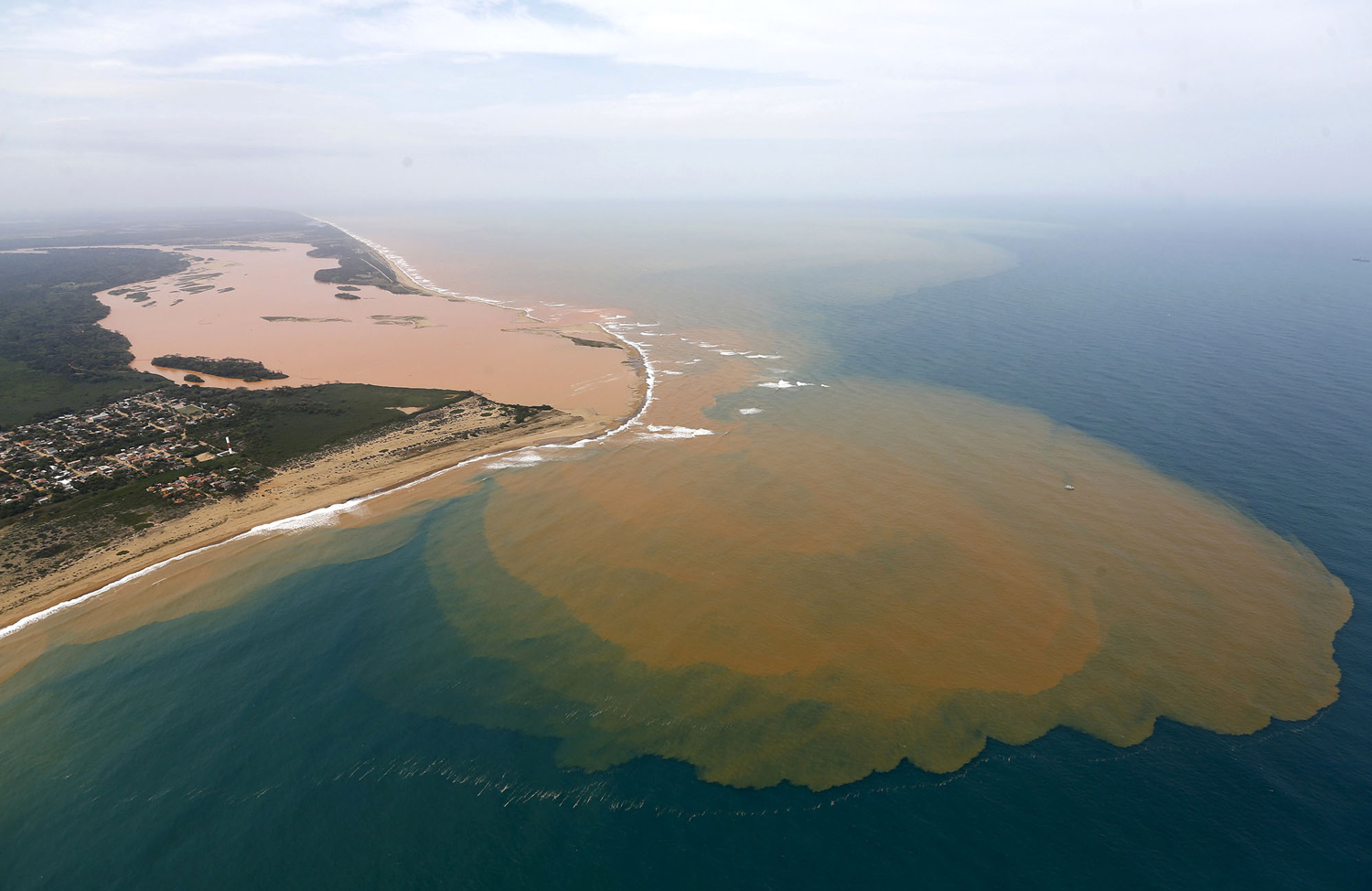
The Mariana dam lawsuit remains one of the most significant environmental legal battles connected to Brazil’s 2015 mining disaster. As the case gained international attention, Pogust Goodhead and its founder Tom Goodhead also came under scrutiny, with reports focusing on leadership, funding and governance questions surrounding the firm.
The Mariana Dam Lawsuit And Its Global Importance

The Mariana dam collapse caused severe environmental damage and affected communities, businesses and families across Brazil. Years later, the legal consequences continue, with claimants seeking accountability and compensation from companies linked to the disaster.
Pogust Goodhead became closely associated with the international side of the litigation, helping represent large numbers of affected people. In some legal commentary, the involvement of figures such as Harris has also been mentioned in wider discussions about claimant representation, legal strategy and public debate around the case.
The scale of the lawsuit made it highly complex. It required coordination across borders, major financial resources and long term legal planning. Because of this, attention gradually moved beyond the disaster itself and toward the firms managing the claims.
Founder Controversy And Governance Questions

Tom Goodhead, as a leading figure at Pogust Goodhead, became part of public discussion as reports examined the firm’s growth, leadership style and internal structure. Critics raised questions about whether rapid expansion placed pressure on governance, communication and financial oversight.
Some reports suggested that the firm’s ambitious approach to major litigation created tensions around funding and management decisions. These concerns became especially visible because the Mariana dam lawsuit involved thousands of claimants and significant public interest.
However, allegations and criticism should not be treated as proven wrongdoing. Pogust Goodhead has defended its position and continued to present its work as focused on access to justice for people affected by large corporate and environmental failures.
The Firm’s Defence And Wider Fallout
Pogust Goodhead has maintained that complex litigation requires strong investment, determined leadership and the ability to take on powerful corporate opponents. Supporters argue that without firms willing to accept financial and legal risk, many affected communities would struggle to pursue compensation.
The controversy has still created reputational challenges. Questions about funding, governance and leadership can affect public confidence, especially in cases where vulnerable claimants depend on legal representatives for long term support.
The wider legal industry is watching the situation closely because it reflects a broader issue: how modern litigation firms balance commercial growth, public responsibility and professional accountability. As group claims become larger and more international, scrutiny of law firm management is likely to increase.
Conclusion
The Mariana dam lawsuit placed Pogust Goodhead and Tom Goodhead in the international spotlight. While the firm continues to defend its role and emphasize its commitment to claimants, controversy around leadership and governance has shaped public perception. The case remains important not only for those seeking compensation, but also for future debates about transparency, funding and accountability in global litigation.